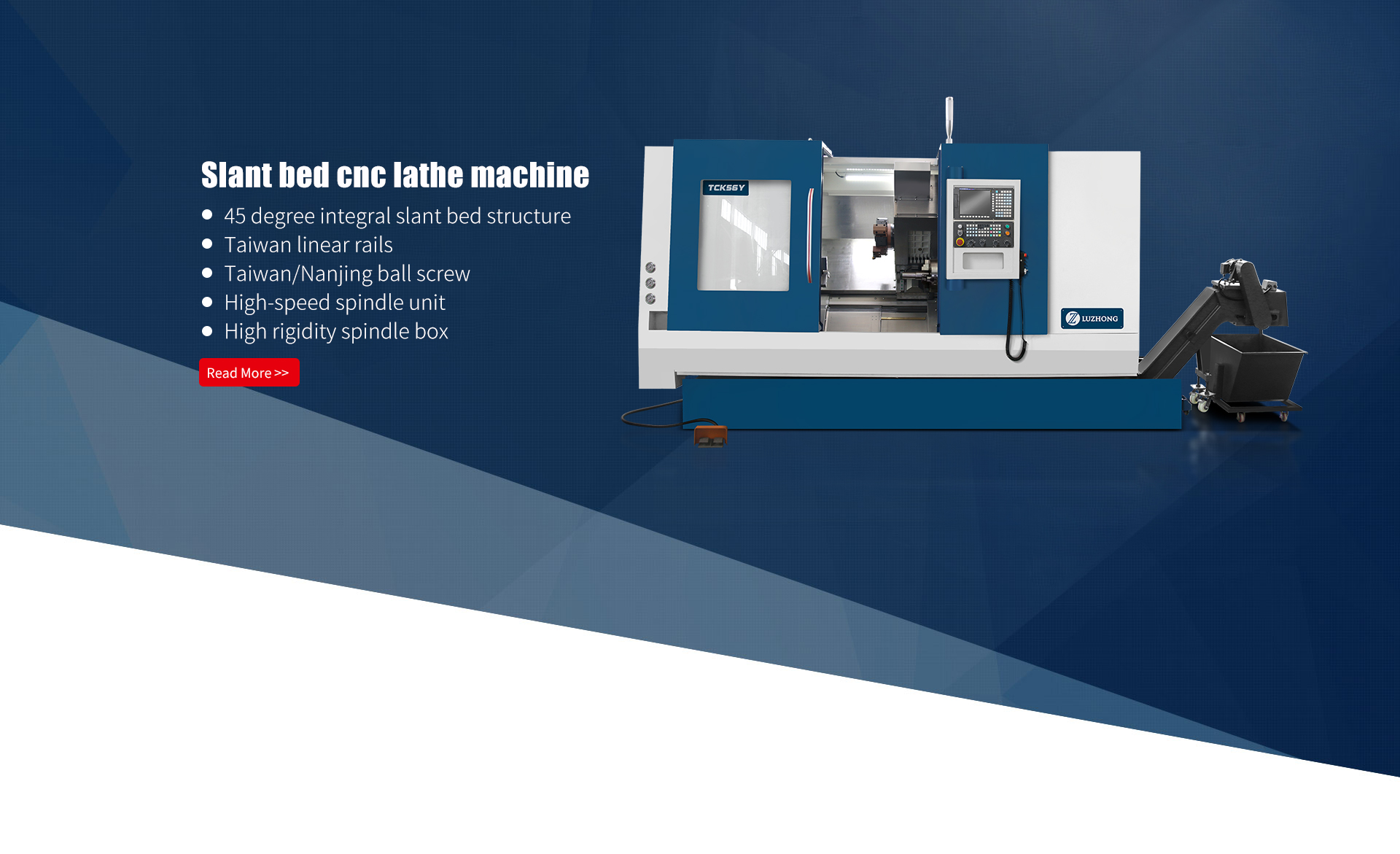
Compared to conventional lathes, CNC lathes offer significantly higher machining efficiency and the ability to process workpieces that were previously difficult or impossible to manufacture; indeed, CNC lathes have brought immense benefits to our daily lives. Below is an analysis of the four core components of a CNC lathe.
Information carriers—such as punched paper tapes, punched cards, magnetic tapes, and magnetic disks—are used to store programmed data. This data is then transferred to the CNC unit via input devices like photoelectric tape readers, magnetic tape drives, and disk drives.
The CNC unit is the heart of the machine, commonly referred to as NC (Numerical Control) or CNC (Computer Numerical Control). While NC represents an early stage of development, modern CNC lathes predominantly utilize CNC systems. The unit's function is to receive machining data from input devices, process and compute the information, and issue corresponding command pulses to the servo system to execute part machining.
The servo system acts as the execution component of the CNC lathe, consisting of electric motors and transmission mechanisms. It receives command pulse signals from the CNC unit and controls the displacement and speed of the machine's moving parts (such as the worktable or tool post).
The machine tool body primarily comprises mechanical components, including the main drive assembly, feed drive assembly, and structural support components. Although the mechanical structure of a CNC lathe is often simpler than that of a conventional lathe, its technical specifications and performance requirements are significantly higher.
Machining on a CNC lathe begins with program creation based on the part drawing, using coding and instruction formats that generally comply with ISO and relevant national standards. The program is then input into the NC or CNC unit via an information carrier. The CNC system issues commands based on the program: on one hand, the servo system's motors—acting through transmission mechanisms—control the movement of the machine's execution components; on the other, the system controls auxiliary functions such as spindle speed and direction, as well as the operation of coolant pumps. These coordinated actions work together to complete the machining process.




Copyright © Shandong Luzhong Machine Tool Co.,Ltd. All Rights Reserved