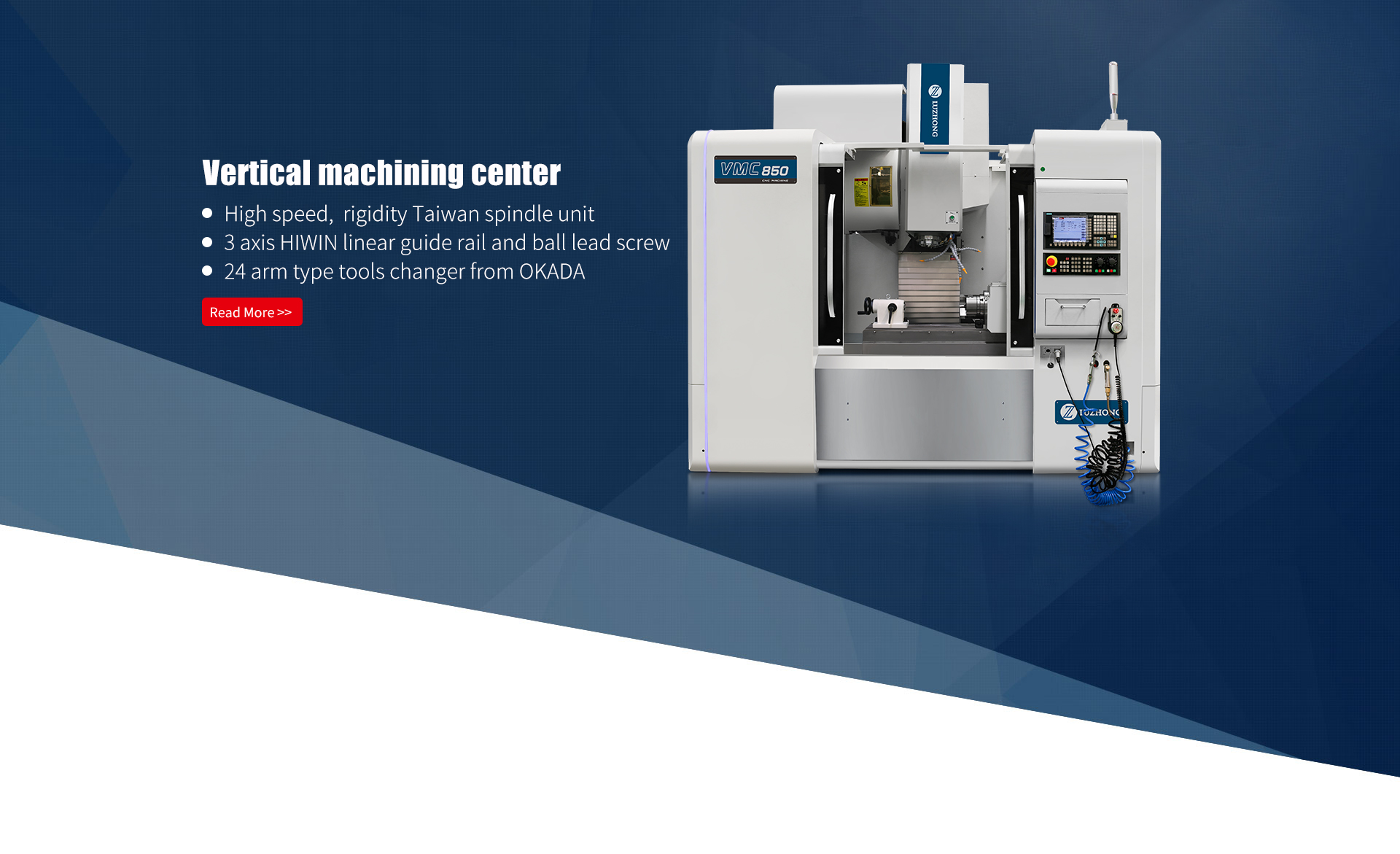
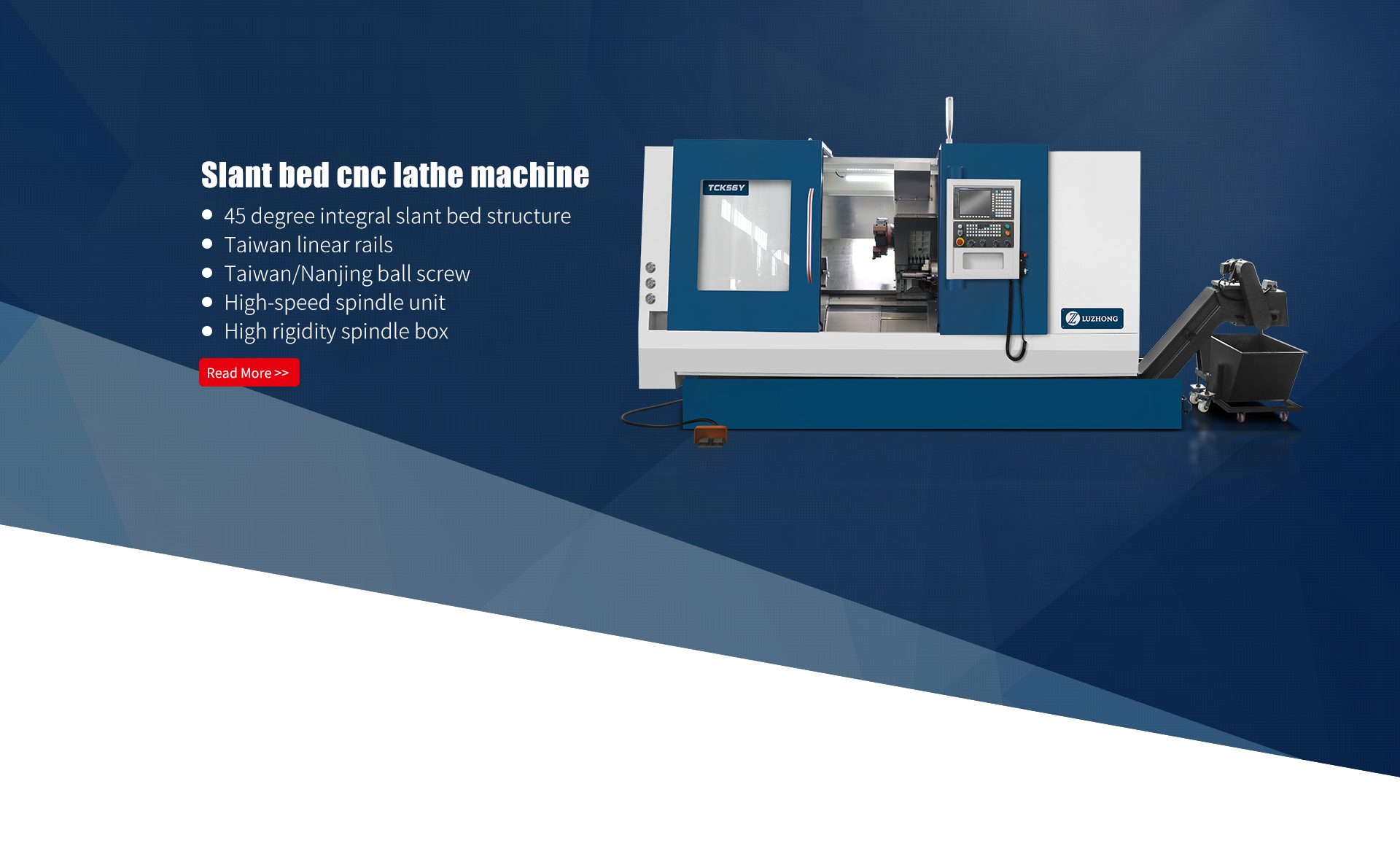
Mill-turn machining represents the most advanced productivity in the metalworking field today. It perfectly integrates traditional turning and milling processes into a single machine, achieving complete machining of complex parts in a single setup through multi-axis linkage and intelligent control. This technology is fundamentally changing the way parts are manufactured in high-precision industries such as aerospace, medical devices, and automotive manufacturing.
I. Core Concepts of Mill-Turn Machining
A mill-turn machining center is a CNC machine tool that integrates multiple machining functions such as turning, milling, drilling, and tapping. Compared with traditional machining methods, its most significant feature is its ability to complete all or most machining operations in a single setup, avoiding the cumulative errors caused by multiple setups.
Basic Working Principle: Mill-turn machining centers are typically equipped with a spindle (turning function) and at least one powered tool (milling function). The CNC system precisely controls the movement of each axis, enabling arbitrary switching and combination of turning and milling operations. Advanced models are also equipped with a B-axis (rotary axis) and a Y-axis, allowing the tool to approach the workpiece from any angle.
II. Technical Advantages of Mill-Turn Turning Machines
1. Precision Revolution: Eliminating Datum Conversion Errors
In traditional machining methods, workpieces need to be transferred between different machine tools, and each reclamping introduces a positioning error of 0.02-0.05mm. Mill-turn turning technology completes all processes in a single clamping, improving overall accuracy to within 0.005mm.
2. Leap in Efficiency: Shortening the Process Chain
Processes that previously required 5-6 machines are now concentrated on a single machine.
3. Complex Part Machining Capability
Mill-turn turning machines can easily handle complex features that are difficult to machine using traditional methods, such as eccentric holes, intersecting hole systems, helical grooves, cam profiles, multi-angle inclined surfaces, curved surfaces, and microstructures.
III. Key Technological Breakthroughs in Mill-Turn Turning
1. Multi-Task Processing System
Advanced CNC systems can simultaneously handle: spindle speed control (turning), power tool linkage (milling), and auxiliary function coordination (cooling, chip removal).
2. Spatial Motion Control
The five-axis CNC milling and turning center achieves machining of arbitrary spatial curved surfaces through the control of five axes, with a positioning accuracy of 5 arcseconds.
3. Thermal Deformation Compensation
Multi-sensor real-time monitoring of temperature changes is employed, and thermal displacement is compensated through algorithms.
Milling and turning center technology is developing towards higher integration and greater intelligence. For manufacturing enterprises, investing in milling and turning center equipment is not only about upgrading equipment but also about upgrading production concepts. It will help enterprises gain a competitive advantage in quality, efficiency, and flexibility simultaneously. With the deepening of Industry 4.0, milling and turning center machining centers will inevitably become core equipment in smart factories.




Copyright © Shandong Luzhong Machine Tool Co.,Ltd. All Rights Reserved