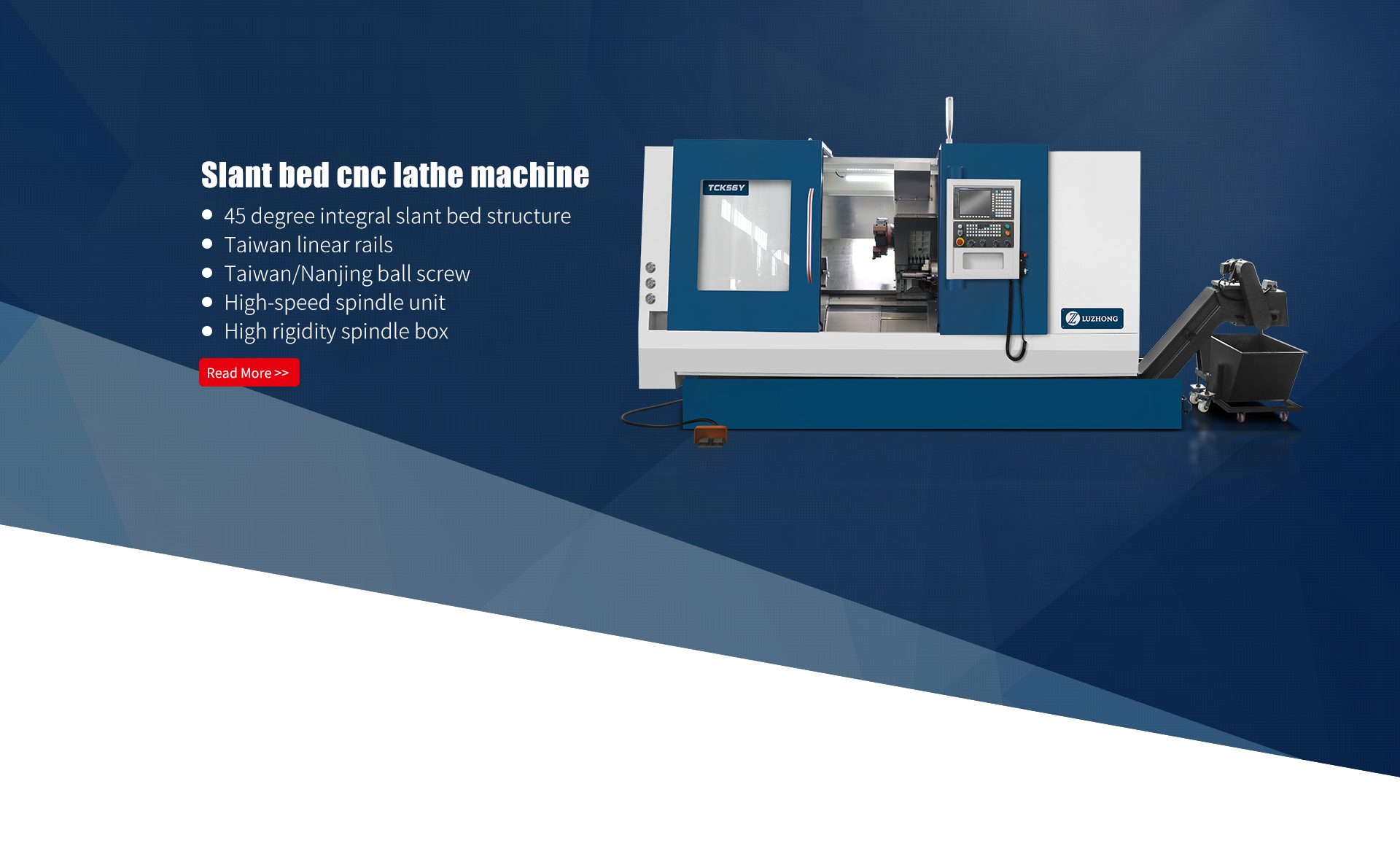
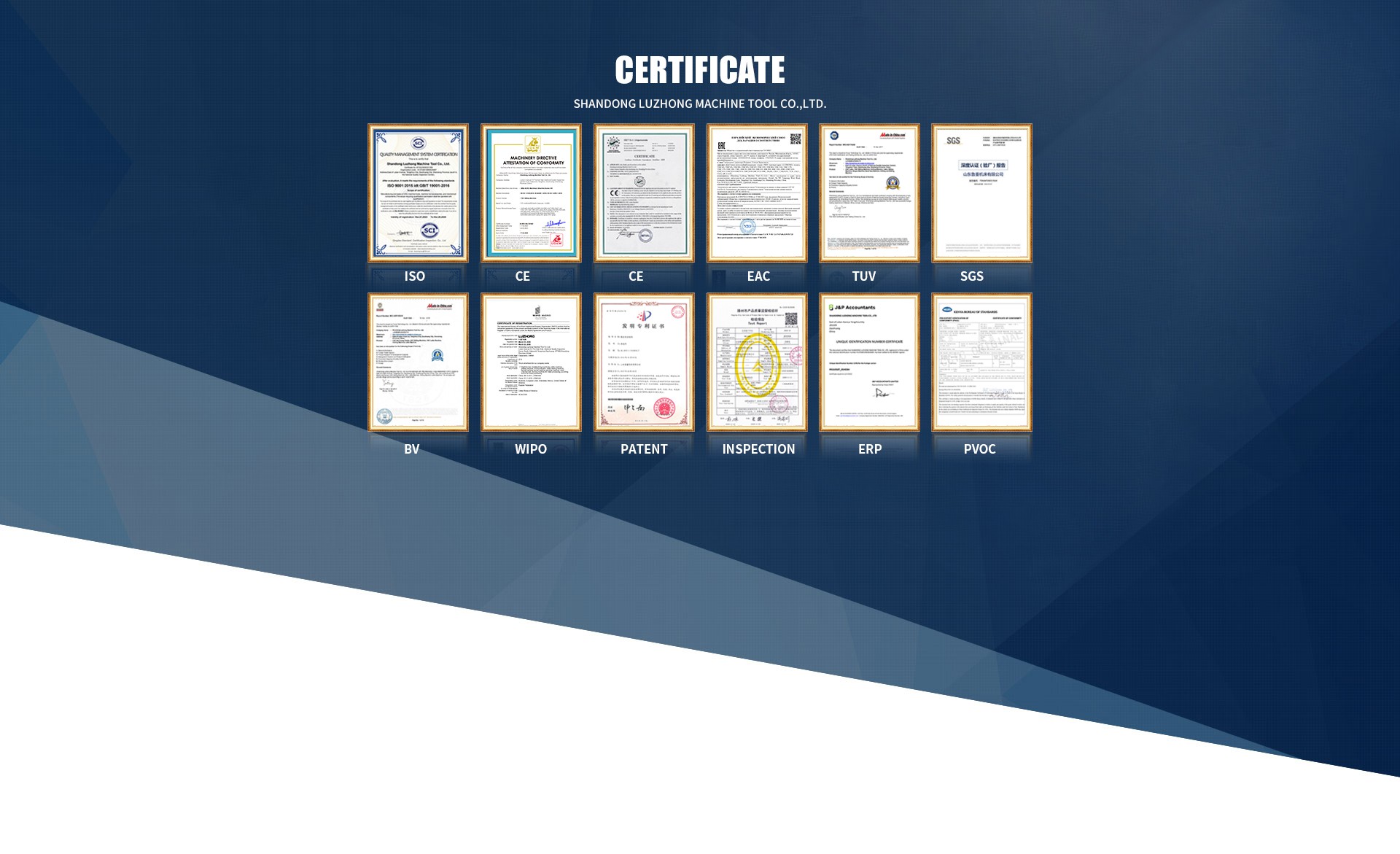
In the field of precision manufacturing, CNC machining centers (CNCs) are core equipment, with vertical and horizontal machining centers being the two most common types. They differ significantly in their processing methods, application scenarios, and performance characteristics. Choosing the right machine can significantly improve production efficiency and quality.
1. Layout Differences
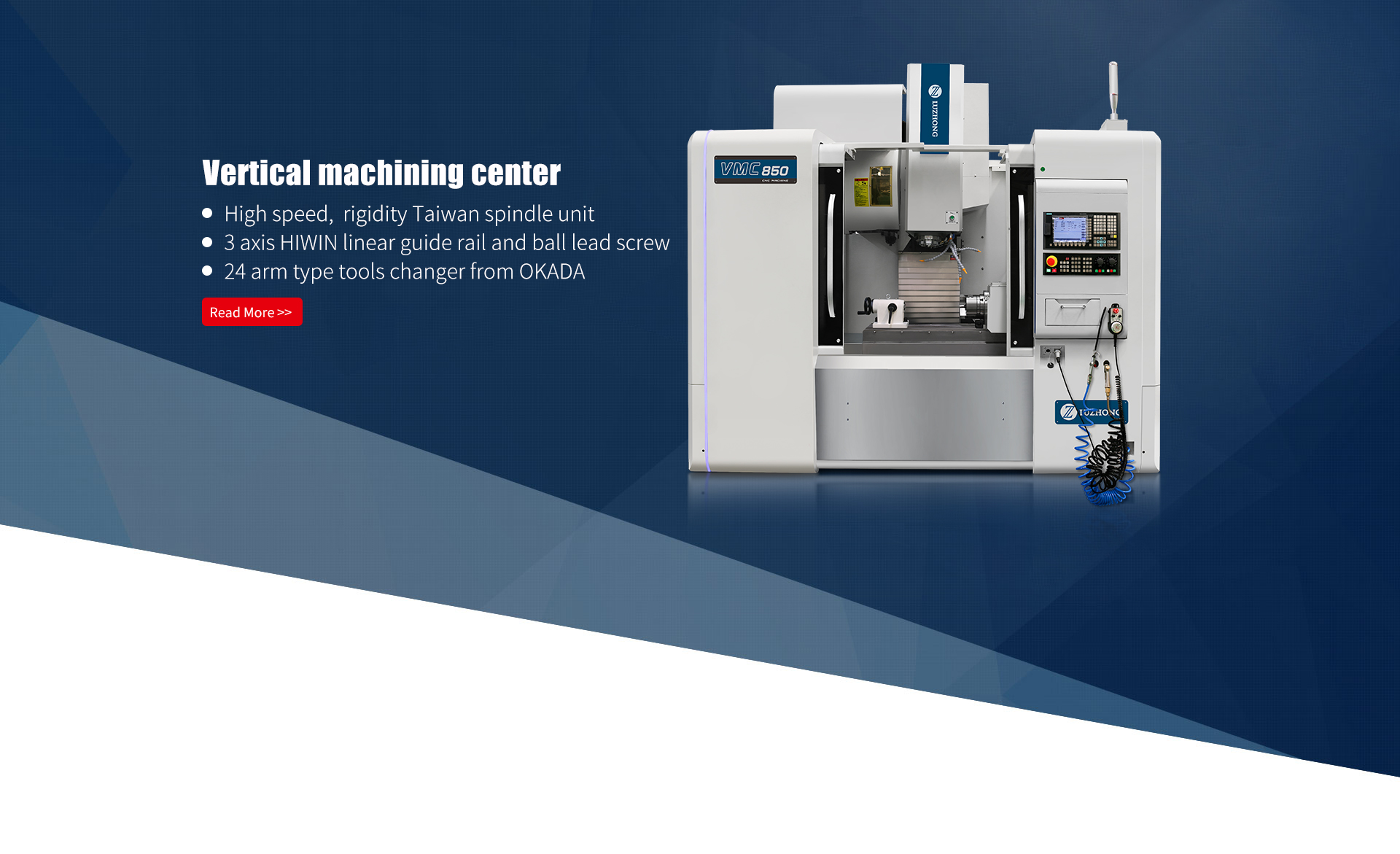
Vertical machining centers: The spindle is perpendicular to the worktable, and the workpiece is fixed to a horizontal surface. This design occupies a small footprint, facilitates operator observation and loading and unloading, and is suitable for machining plate and disc parts.
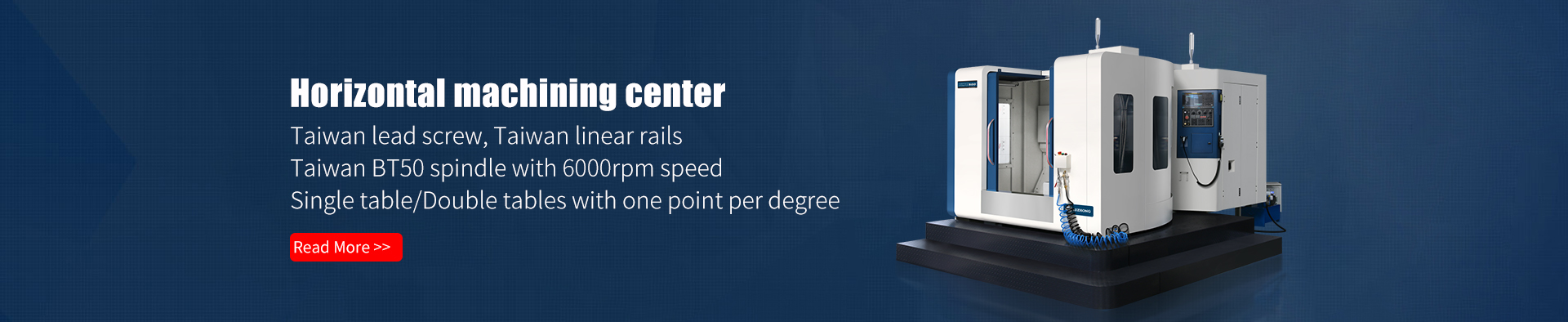
Horizontal machining centers: The spindle is positioned horizontally, and the workpiece is rotated by a rotating table (usually with a B-axis) for multi-faceted machining. Because chips fall naturally, they are more suitable for long-cycle, heavy-duty machining of box-type parts.
2. Processing Capacity Comparison
Precision: Vertical machines generally offer higher positioning accuracy and are suitable for precision milling. Horizontal machines, due to the effect of gravity, offer greater stability and less vibration during heavy cutting.
Efficiency: Horizontal machines can utilize pallet changers for unmanned production, reducing reloading time and improving batch processing efficiency.
Complexity: Horizontal structures are more easily capable of five-sided machining, while complex curved surface machining requires a five-axis vertical machine.
3. Typical Application Scenarios
Vertical machine preferred:
Mold processing (e.g., electrodes and mold cores); thin-walled aerospace parts (requiring a high-rigidity spindle); small-batch, high-variety production (easy commissioning).
Horizontal machine preferred:
Automotive transmission housings (for processing porous systems); large castings in the energy industry (e.g., gas turbine housings); automated production lines with 24/7 continuous production.
4. Key Selection Criteria
Vertical machine: Focus on Z-axis travel (affecting clamping height) and spindle speed (aluminum alloys require ≥12,000 rpm).
Horizontal machine: Focus on torque (typically ≥100 Nm) and pallet load capacity (heavy parts require ≥5 tons).
Vertical machine tools excel at flexibility and cost-effectiveness, while horizontal machine tools offer advantages in automated integration and large-part machining. It is recommended to conduct a comprehensive evaluation based on workpiece size, batch size, and process complexity. For high-end manufacturing scenarios, composite machine tools (such as vertical-horizontal conversion machines) can be considered.




Copyright © Shandong Luzhong Machine Tool Co.,Ltd. All Rights Reserved