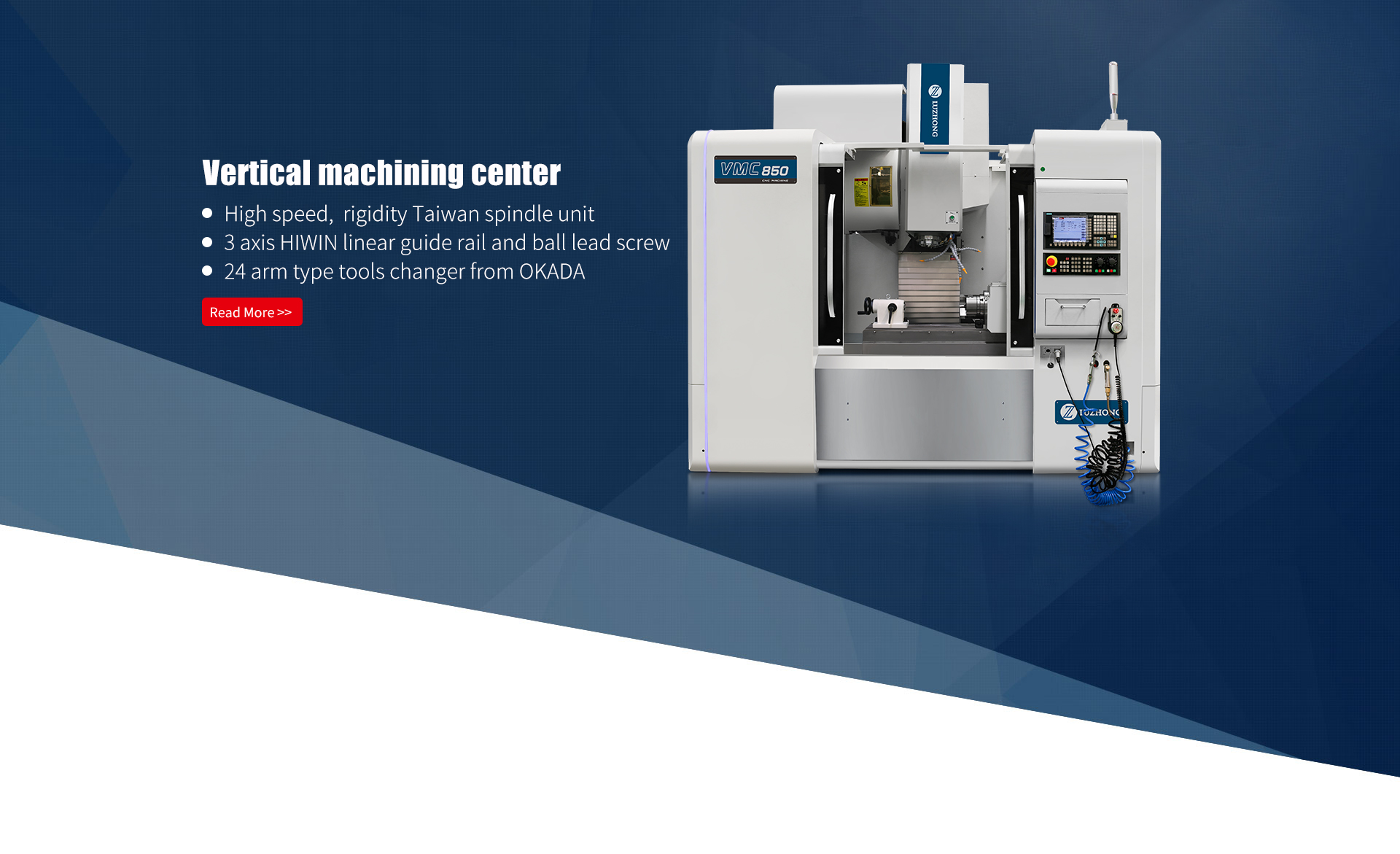
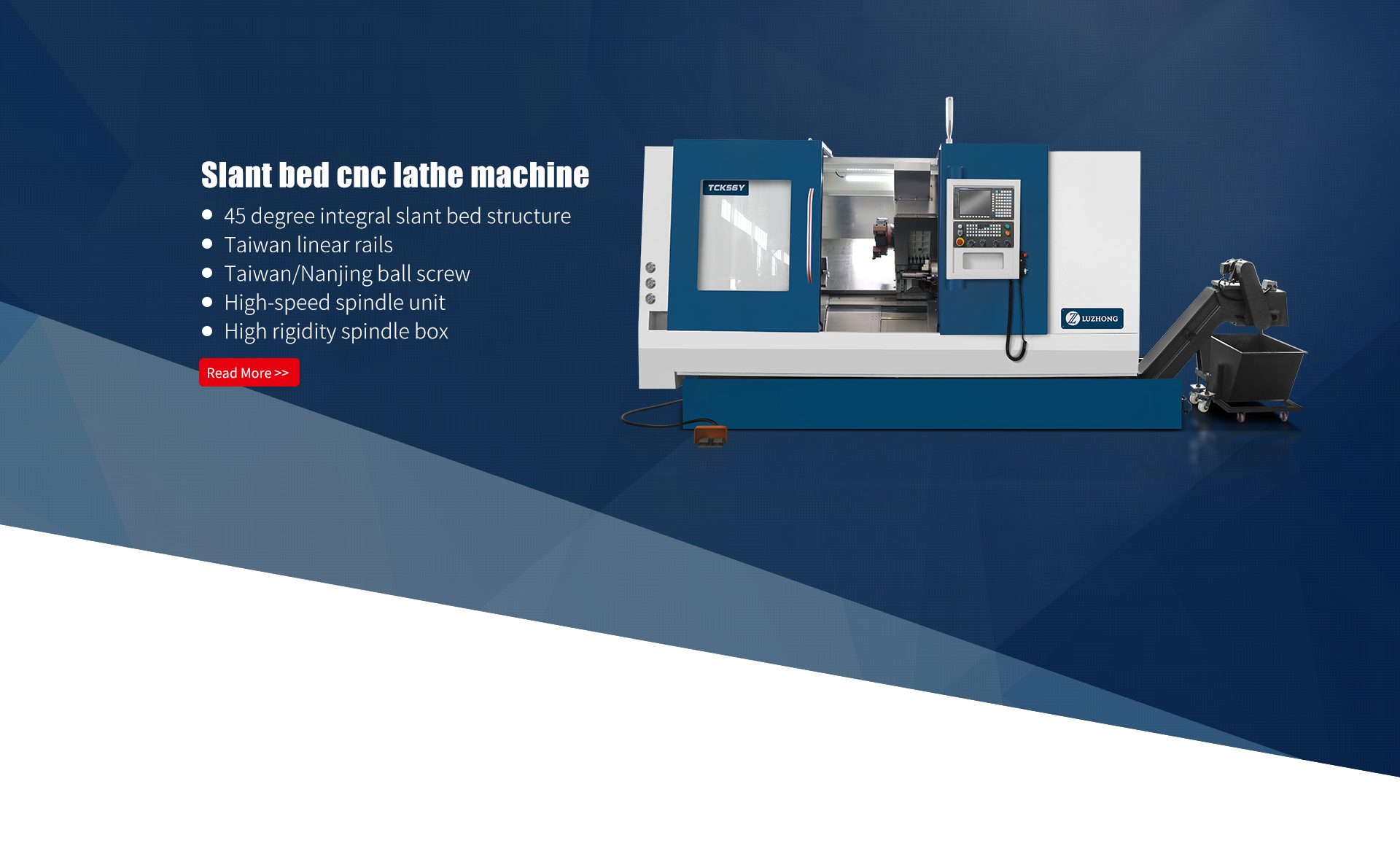

Tool magazines are equally important for machining centers, as they handle all machining operations. Tool magazines are generally classified into three types: arm-type, umbrella-type, and chain-type. The selection of tool changers and tool magazines for small machining centers can be determined based on the process analysis of the workpiece being machined. The required number of tools is typically determined by the number of tools needed for a single part in a single setup, because changing to another part requires rearranging the tools, otherwise tool management becomes complex and prone to errors.
Small five-axis machining centers are currently very popular machine tools, mainly used in university maker studios, research institutions for machining small parts, and in university teaching. Their main advantages are high cost-effectiveness, good stability, high reliability, and high machining accuracy. Small machining centers can machine some planar, curved, and angled parts. The biggest disadvantage of small five-axis machining centers is the certain constraint on the dimensions of the parts they can machine.
Statistical data suggests that small machining centers should ideally use tool magazines with around 20 tools, while horizontal machining centers should ideally use tool magazines with around 40 tools. Of course, the specific choice should be determined based on actual needs. For machining centers used in flexible manufacturing cells (FMC) or flexible manufacturing systems (FMS), large-capacity tool magazines should be selected, or even interchangeable tool magazines should be configured.
Tool loading, changing, and selection steps for small machining centers:
Tool loading for small machining centers is simple. Record the type, purpose, and corresponding tool holder number of the tool to be loaded. Then, select any tool holder from the tool magazine and load the tool.
Tool changing involves the following three scenarios:
1. The tool on the machining center spindle is an optional tool holder, while the tool to be changed is a fixed tool holder.
Steps: Tool magazine → Tool selection → Move to tool change position → Robot arm removes the tool → Load it onto the spindle. The tool removed from the spindle is fed into the nearest available tool holder.
2. In a small machining center, the cutting tool on the spindle is placed in a fixed tool holder, while the tool to be changed is either selectable or in a fixed tool holder.
Tool changing steps: Tool magazine → Tool selection → Move to the tool changing position → Robot arm removes the tool → Load into the spindle. When the tool removed from the spindle is sent into the tool magazine, the tool magazine must first be rotated to the tool receiving position.
3. Both the cutting tool on the spindle and the tool to be changed are selectable tool holders.
The tool changing steps are as above, loading the tool removed from the spindle into the tool holder for the tool to be changed.
Small machining centers also have three tool selection methods:
1. Sequential tool selection: According to the order of tool use, the tools are installed in the tool holders and selected one by one in sequence. After use, they are returned to their original positions.
2. Random tool selection: The tool holders are coded, and the corresponding tools are placed in the designated tool holders. During programming, the tool holder code of the tool must be marked with an address T.
3. Tool selection memory: The tool number, tool storage location, and tool holder number are recorded in the machining center's memory. When the tool storage address changes, the machining center's memory also changes accordingly. Small machining centers are equipped with position detection devices in their tool magazines, allowing tools to be retrieved and returned arbitrarily.




Copyright © Shandong Luzhong Machine Tool Co.,Ltd. All Rights Reserved