
I. Difficulty in Achieving Machining Accuracy
Machining accuracy is a crucial indicator of part quality. Due to limitations in the precision of machining centers, CNC lathes, and milling machines, as well as tool wear or unstable fixtures, dimensional deviations and surface roughness are common problems. With the development of Industry 4.0, some companies have introduced high-precision gantry machining centers and automatic measurement systems, effectively improving this issue. However, for small and medium-sized enterprises, equipment selection, operating skills, and maintenance remain critical.
II. Machining Deformation and Stress Concentration
Thermal deformation and residual stress are common phenomena encountered during the machining of molds and parts, especially in the machining of large parts or complex mold structures. The material is subjected to localized heat and mechanical stress during cutting, leading to workpiece deformation and affecting assembly and usage.
III. Tool Wear and Reduced Life
Tools are the "core" of machining, and tool wear directly affects cutting quality and production costs. The increasing demand for machining high-hardness mold steels and various alloy materials places higher demands on tool performance. Inappropriate tool selection, cutting parameters, and inadequate lubrication and cooling measures can all lead to rapid tool damage. Regularly monitoring tool condition and using high-quality coated tools are effective means to ensure machining stability.
IV. Equipment Failure and Insufficient Maintenance
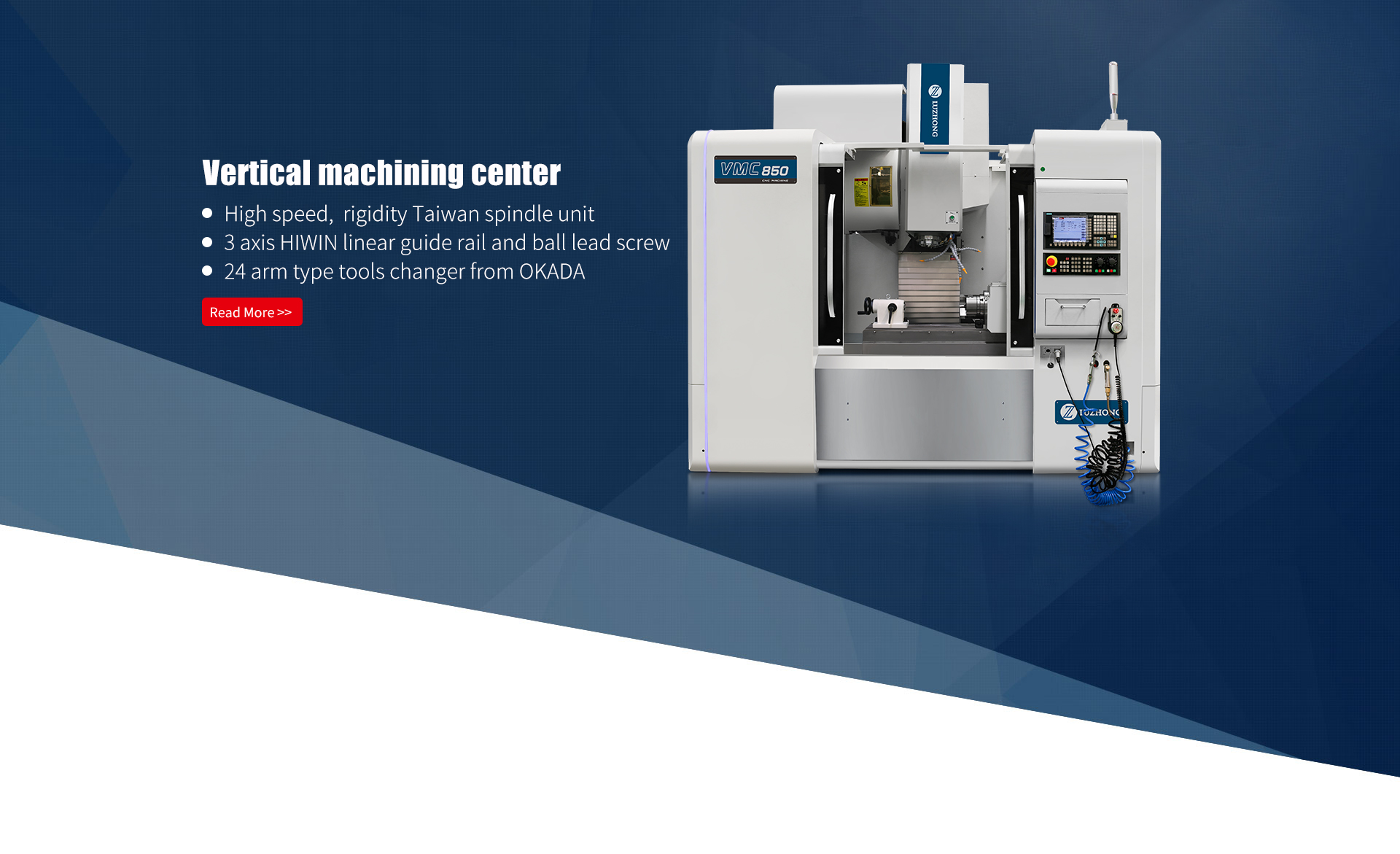
After prolonged operation, machine tools are prone to problems such as loose parts, servo system malfunctions, and poor lubrication. Specialized machining equipment, such as vertical machining centers, horizontal machining centers, and multi-functional drilling and milling machines, requires strict maintenance.
V. Inappropriate Process Parameter Design
Many machining problems originate in the process planning stage. Incorrect cutting speed, feed rate, or depth of cut settings can lead to decreased surface quality, overheating, and even tool breakage. While digital and intelligent technologies have made process parameters more precise, experienced technicians are still needed to control process details. Reasonable process design not only ensures machining quality but also improves production efficiency and reduces costs.
VI. Mold Assembly and Matching Issues
After mold machining, assembly accuracy directly affects mold lifespan and product consistency. Common problems during assembly include uneven part clearances, inaccurate positioning, and loose fasteners. Introducing high-precision measuring equipment and assembly fixtures are effective measures to solve these problems. Professional training and standardized assembly processes are equally important.
VII. Neglecting Processing Environment and Stability
Environmental factors such as temperature, humidity, and vibration have a potential impact on machining accuracy, especially in high-precision machining environments. Process stability is also crucial in long-cycle machining tasks, as varying clamping forces and equipment conditions affect the final product quality. Properly designing the production workshop environment and employing advanced monitoring methods can reduce environmental interference.




Copyright © Shandong Luzhong Machine Tool Co.,Ltd. All Rights Reserved